VISION
The vision.
What I believe in, and what I'm trying to build — one building, one venture, one conversation at a time.
Two crises, one design problem
Western societies are going through two reinforcing crises: a housing affordability crisis and a relational loneliness crisis. Public debate treats them as separate. They are not. They are the same problem seen from different angles — how we live today is also how we feel today.
Tackling them together is the challenge — and the work that's worth doing now.
Home + relationships
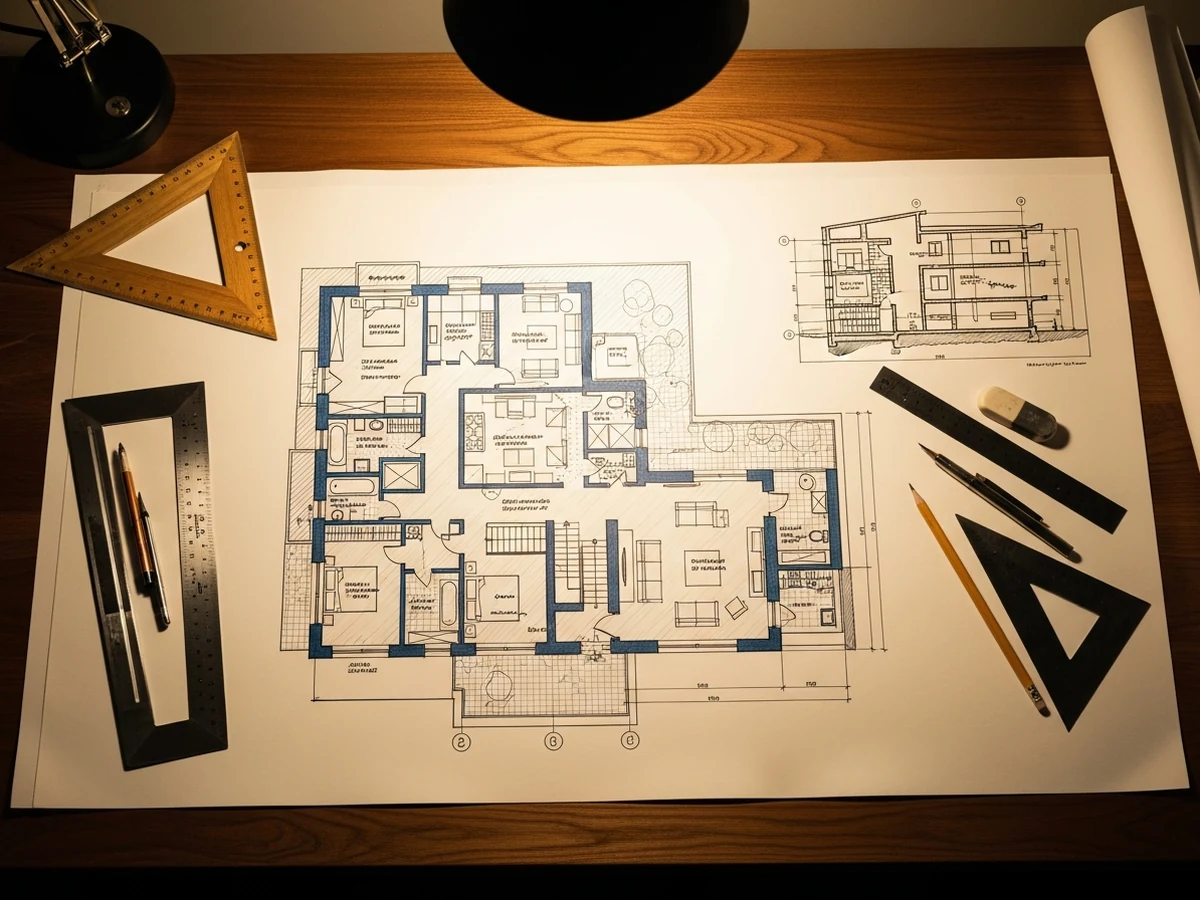
Physical home
A dignified room. Quality materials. Natural light. Sufficient quiet. Reliable maintenance. The base level every person — regardless of income — deserves.
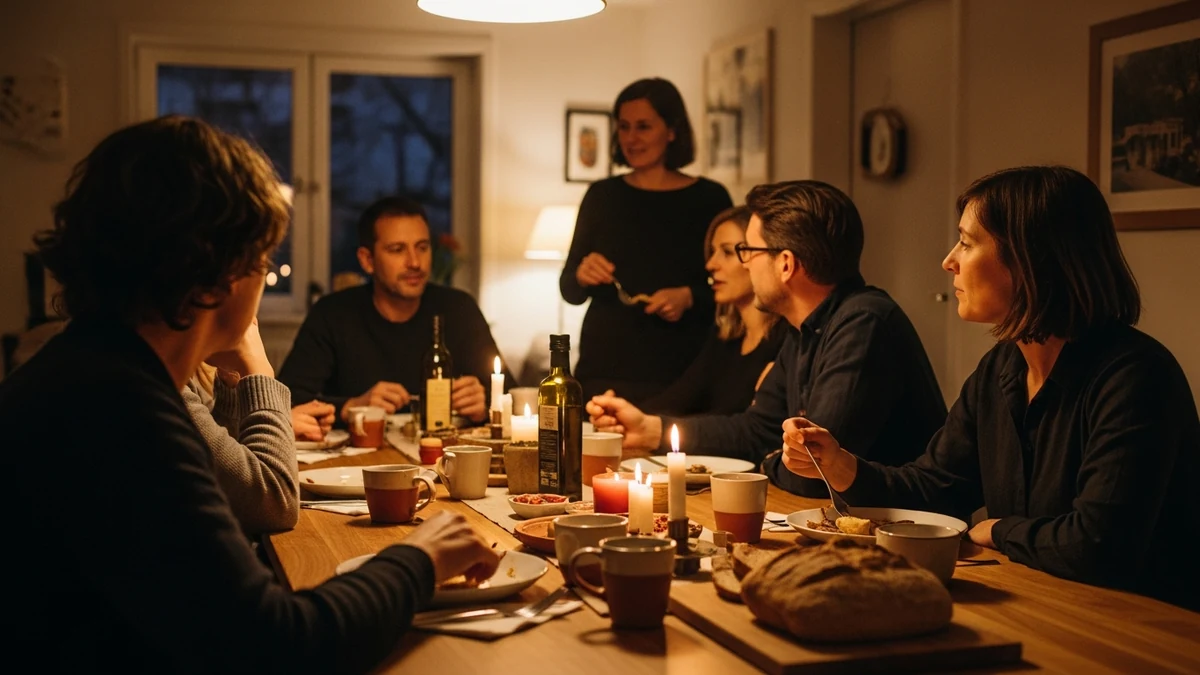
Relational home
Living common spaces. Shared rhythms. Someone caring for the community. A neighborhood that knows itself. Someone who notices you when you're not back for two days.

Loneliness as a design problem
Loneliness is almost always told today as an inner question — a private fault, a failure of will.
It is often something else. Loneliness grows where elevators arrive directly at the apartment landing, where corridors are dim, where there are no semi-public spaces, where neighborhoods empty at 9 a.m. It diminishes where there are lived courtyards, real benches, pretexts to bump into others, shared rhythms, someone who cares.
This means loneliness is partly designed. And like every designed thing, it can be re-designed. That's exactly what we do in CoLiving — and what AI operations, done well, does in a workplace.

CoLiving as the third form of living
In Italy we have two dominant housing models: the independent house and the apartment in a condominium. Between them, a large majority of adults — single by choice, divorced, widowed, remote workers, recent graduates, blended families, autonomous seniors — don't recognize themselves.
CoLiving is the third model. Not as a variant of the other two: as a model in its own right. Private room, designed common spaces, included services, curated community, flexible permanence.

Three principles, non-negotiable
Dignity of place
Quality materials, natural light, quiet, sober finishes. Cheap to do well from the start. Expensive to redo poorly ten years later.
Real accessibility
Housing reachable on one's income without giving up location, services, or relationships. The COOliving cooperative track works precisely on this layer.
Designed community
Not hoped-for. Built — spaces that invite people to stay, shared rhythms, someone who cares. Without this, even the best building becomes a dormitory.
Where AI operations meets all this
A CoLiving operator, a small Italian business, a cooperative — they all run on operations. Cleaning rotations. Resident onboarding. Maintenance tickets. Booking calendars. Knowledge that lives in someone's head until they leave.
Done badly, AI bolts onto these workflows as a chatbot widget. Done well, AI clears repetitive load so people focus on the relational work — the work that actually creates value. The same logic as CoLiving: design the system to give people back time, presence, and dignity.

Continue the reflection on the blog
One long-form article a week, on the same things.
Go to the blog